
How Long Does Alcohol Stay in Your System Detection Times
But if you drink faster than your liver can break the stuff down, your blood alcohol level (BAC) will keep going up. Also, your liver will struggle to turn toxic acetaldehyde into harmless acetate. Alcohol is eliminated from your blood at a rate of 3.3 mmol/hour (15 mg/100 ml/hour). However, this varies across individuals, drinking occasions, and the quantity of alcohol consumed. While staying hydrated, eating food, and resting can help you feel better and manage the symptoms of intoxication, your body will clear the alcohol at its own pace.
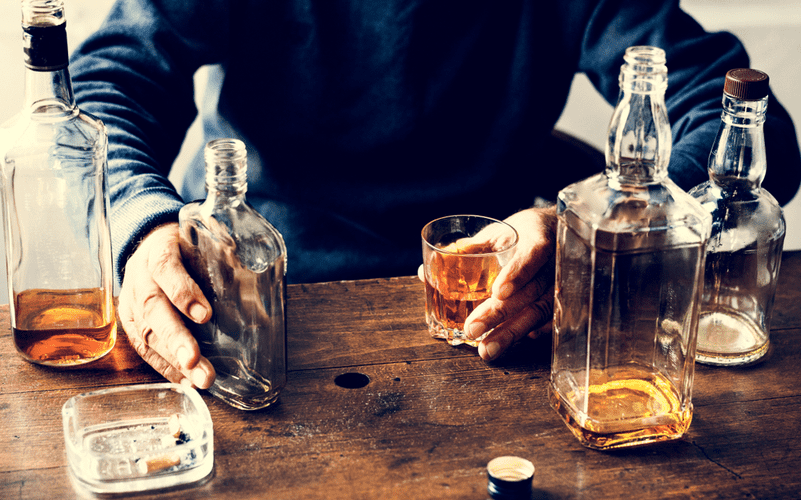
Risks of alcohol abuse
Small blood vessels encounter alcohol there and begin to transport it throughout the bloodstream. Approximately 20% of the alcohol that enters the bloodstream does so in the stomach. The remaining alcohol travels through the small intestine where it encounters greater concentrations of blood vessels. The 80% of alcohol that doesn’t enter the bloodstream through the stomach does so through the small intestine. Consider that BAC significantly varies, the reason why several tests are available to measure alcohol concentration in the body.
Are There Ways To Flush Alcohol Out of Your System Faster?
If one drink has a higher ABV than the other, your liver will have to work harder. Also, be sure to have a ride lined up if you are drinking away from home. Even if you are below the legal limit, it’s never safe to drive with any amount of alcohol consumption. One phase is the acute form of alcohol poisoning caused mainly by binge drinking. The second is a chronic phase in which you drink large amounts of alcohol, but you are conscious and moving naturally due to the high tolerance developed over time.
Before Your Deductible Resets, Invest in Your Recovery
- Remember, the only effective way to sober up is to allow time for your body to metabolize the alcohol.
- Every day in the U.S., about 37 people die from drunk driving crashes, according to the National Highway Traffic Safety Administration.
- It’s crucial to understand that alcohol withdrawal can be dangerous, and in some cases, life-threatening.
- Alcohol peaks in breast milk 30–60 minutes after drinking, clearing in 2–3 hours per standard drink.9 Wait or use stored milk to avoid exposure.
- Each standard drink raises your BAC by approximately 0.02% in an average adult.
Alcohol breath tests can detect alcohol consumed within the last 12 to 24 hours, on average. The test uses a breathalyzer, which measures your blood alcohol content (BAC). It analyzes the air you breathe out and gives you a reading immediately. When you drink alcohol, it enters your bloodstream quickly, typically reaching peak levels within 30 to 90 minutes. Eating food after drinking doesn’t speed up alcohol elimination either. Consuming food before drinking slows alcohol absorption by keeping it in your stomach longer, but once alcohol enters your bloodstream, food has no impact on metabolism speed.
View our editorial content guidelines to learn how we create helpful content with integrity and compassion. Compare centers, explore options and start your path to recovery today. Throughout his career, he has been driven by a passion for building high-performing teams, solving complex challenges, and creating systems that how long does alcohol stay in your system deliver meaningful impact. These can all affect BAC concentration, and how long alcohollingers in tissue, fluid, and skin. Verify your insurance today – treatment could be more affordable than you think. If you or someone you care about is thinking about stopping barbiturates,…
She received her Bachelor’s degree in Psychology from the University of California, Santa Barbara. Stephanie has been working in the treatment industry since 2014 with extensive experience as a Clinical Director. She also enjoys working as a therapist and specializes in substance abuse, complex trauma, co-dependency, and anxiety/depressive disorders. Stephanie also has an interest in animal-assisted psychotherapy where she and her dog are certified as an official therapy dog team. When she is not working, she enjoys spending time with family, friends and her Golden Retriever.
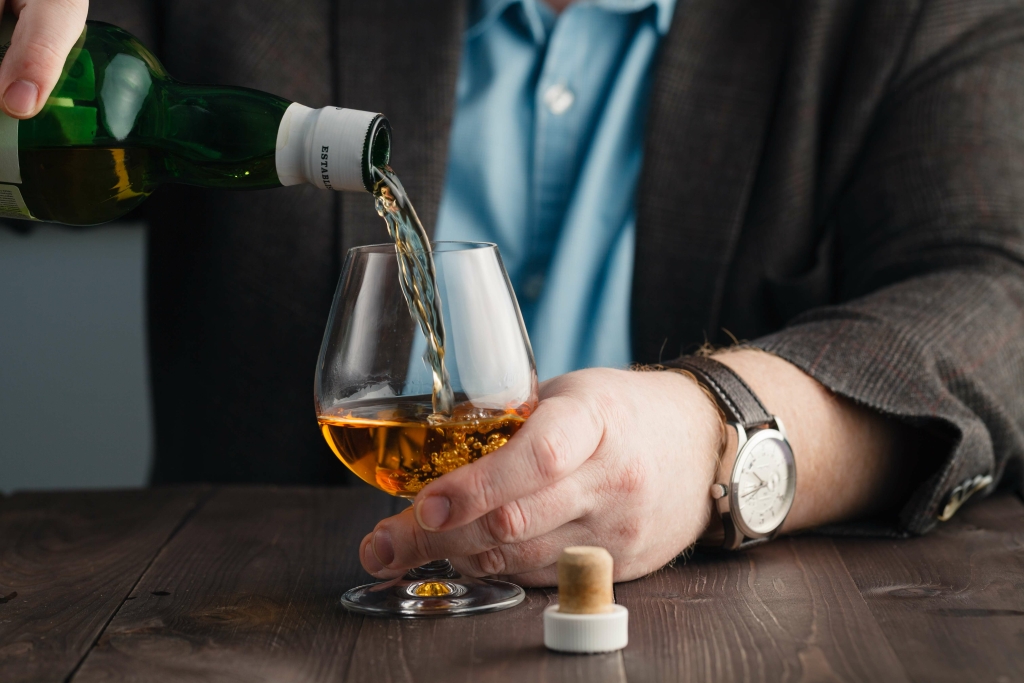
If you have two shots of vodka, one after the other, it will take two hours to get sober again. Once alcohol has reached your bloodstream, there’s nothing you can do to speed up the process of getting it out. Here are some popular myths about sobering up quickly, what’s actually happening, and why they don’t work. Understanding how your body works helps you make informed decisions about your drinking. Whether you’re just curious or concerned about your relationship with alcohol, we’re here to give you the answers you need and the support you’re looking for.
- Alcohol is a chemical compound primarily consisting of ethanol (ethyl alcohol), which is produced through yeast fermentation of sugars.
- That is because a by-product of ethanol known as ethyl glucuronide is formed in the body when any amount is consumed.
- When consumed, the body processes and excretes alcohol from the system.
- In most countries, a BAC of 0.08 is when a person is considered legally intoxicated and could be charged with driving under the influence if found operating a vehicle.
- When acetaldehyde is present in the body, even if it’s just for a short time, it can cause damage to cells and tissues.
Assure Recovery Center prides itself on being motivated to provide compassionate and individualized care in a way that’s purposefully collaborative with every aspect of our program. Whether you are new to professional treatment or are familiar Halfway house with the process, reaching out is the first step toward lasting recovery. These frequently asked questions address the most common concerns about alcohol elimination and detection in your system. Prompt medical intervention proves critical to preventing fatal outcomes.
Moderate physical activity like walking can help the body’s circulation and support general detoxification. However, high-intensity exercise after drinking is not recommended, as it can place further strain on the body. Light movement may assist in decreasing some symptoms of alcohol’s effects, but it does not increase liver metabolism.
Self-assessment tools like the AUDIT questionnaire help individuals recognize problematic drinking behaviors. The AUDIT consists of 10 questions designed to assess alcohol consumption and its health implications. Alcohol’s effects can be felt as soon as a few minutes after consumption.
Understanding how fast can alcohol leave your system or how long does alcoholstay your system helps patients avoid false beliefs and harmful myths. If you’ve been impacted by binge drinking, fentanyl, or medical emergencies, MissouriBehavioral Health and our network of partners are here to support your next step. The tests conducted to determine BAC can detect blood alcohol levels for up to 12 hours after a person consumes alcohol. Alcohol can stay in your system for anywhere from a few hours to several months, depending on the type of test and various personal factors. While the initial effects of alcohol may wear off relatively quickly, the substance itself and its metabolites can linger, potentially impacting your health and well-being.